Managing employee attendance is a critical task for businesses of all sizes. In the past, companies tracked working hours using punch cards, paper logs, or swipe cards. These methods often caused errors, including time theft, buddy punching, and inaccurate record-keeping. Today, businesses can solve these problems with biometric time and attendance systems. These systems use unique physical traits—such as fingerprints, facial recognition, or iris scans—to track attendance accurately and securely. They eliminate tampering, simplify record management, and help businesses maintain workforce accountability.
In this blog, we’ll explore the seven key benefits of adopting a biometric time attendance system, with a special focus on the offerings of portable biometric terminals, such as those available from Chronicle Online. These systems are revolutionising the way companies manage employee time and attendance.

1. Enhanced Accuracy in Attendance Tracking
One of the most significant advantages of a biometric system is its high accuracy. Employees cannot easily manipulate it, unlike swipe cards or punch cards, which often lead to errors or intentional fraud.
Biometric systems completely eliminate these issues by using unique biological features like fingerprints, facial recognition, or even voice recognition to verify identity. Every individual has unique physical characteristics, making it impossible for one person to clock in for another. With a biometric attendance system, companies can ensure accurate attendance data every time, eliminating costly errors and discrepancies.
2. Prevention of Time Theft and Buddy Punching
Time theft poses a significant problem for businesses that rely on manual or card-based systems. Employees sometimes engage in practices like buddy punching, where one worker clocks in or out for another, inflating work hours. This practice leads to overpaid wages and inaccurate payroll data, costing businesses thousands of pounds. Biometric systems solve this issue because each employee’s data is unique, making it impossible for anyone else to clock in or out on their behalf.
3. Streamlined Payroll Processing
Payroll processing can be a cumbersome and error-prone task, particularly when attendance data is inaccurate or incomplete. Biometric can help streamline this process by providing reliable and accurate data that integrates seamlessly with payroll software.
When employees clock in and out using a biometric system, the system automatically captures and stores the data digitally. This process eliminates manual input and reduces the risk of errors and discrepancies. HR departments can then track working hours, overtime, and absences in real time with ease.
4. Cost-Effective Solution
At first glance, implementing a biometric time and attendance system might seem like a significant upfront investment. However, in the long run, the system can save businesses a considerable amount of money by reducing the potential for time theft, payroll errors, and administrative overhead. The traditional time tracking systems, such as punch cards or paper logs, require constant monitoring and updating, adding to operational costs. Additionally, the costs associated with fraud, such as employees falsifying time records, can quickly add up.
5. Improved Employee Accountability
Employee accountability plays a crucial role in maintaining a productive and disciplined work environment. When a biometric time and attendance system monitors attendance, employees tend to avoid tardiness, absenteeism, and fraudulent activities.
Biometric systems constantly remind employees that the company tracks attendance accurately, encouraging them to take their responsibilities seriously. The biometric verification process reinforces that the time they spend at work is valuable and precisely recorded.
Learn Why Cloud-Based Time and Attendance Systems Are Essential and revolutionize how you manage your workforce with real-time insights.
6. Seamless Integration with Existing Systems
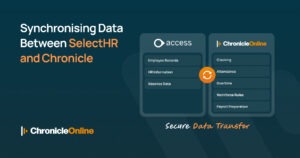
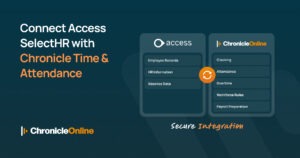
Many businesses are already using various software tools for payroll, HR management, and timekeeping. One of the biggest advantages of biometric time attendance systems is their ability to integrate seamlessly with these existing systems, eliminating the need for manual data entry or switching between different platforms.
Most modern biometric attendance systems are designed to integrate with popular HR and payroll software, allowing for a smooth flow of data between systems. This integration helps businesses save time, reduce administrative work, and minimize the risk of errors in employee attendance records.
7. Portability and Flexibility
For businesses that operate in multiple locations or require mobile time-tracking solutions, portability is a key factor. A biometric attendance system that is portable and flexible can be particularly valuable in industries such as construction, field services, or events management, where employees may not always work in a fixed office environment.
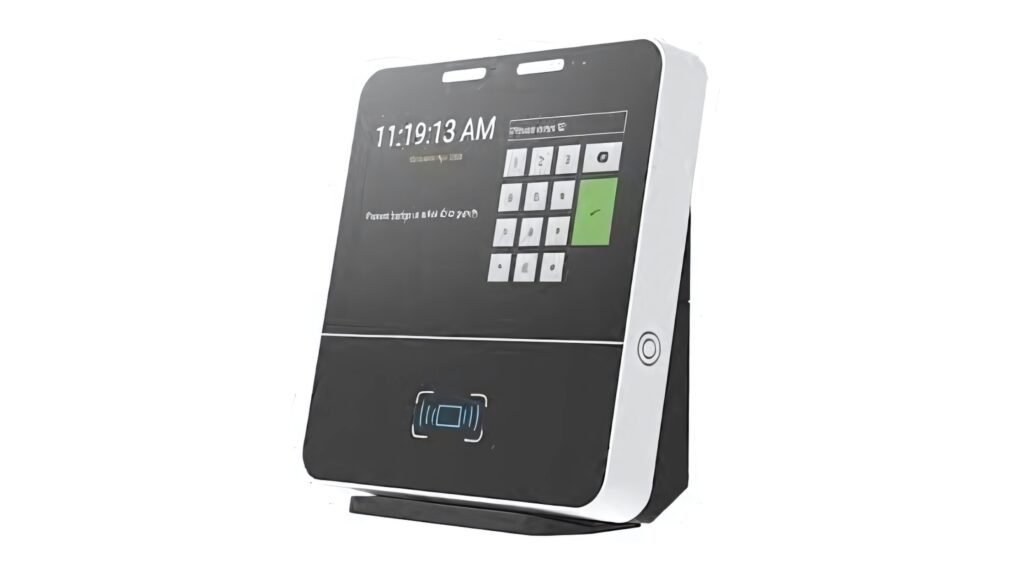
Chronicle Online’s portable biometric terminals are designed with this need in mind. These devices can be used in remote locations and are equipped with battery backups, allowing them to function without a fixed network connection. This means that businesses can track attendance for employees working at different job sites, even in areas with limited connectivity.
Conclusion
The biometric time and attendance system offers numerous benefits to businesses looking to streamline attendance tracking, reduce fraud, and improve payroll accuracy. From enhanced accuracy and employee accountability to seamless integration and cost-effectiveness, these systems provide a modern solution to an age-old problem.
For businesses seeking portable, reliable, and cost-effective biometric systems, Chronicle Online’s portable biometric terminals offer a great choice. With their ability to capture accurate attendance data, prevent fraud, and integrate with existing systems, these devices are an essential tool for businesses looking to modernise their workforce management.
FAQs
A biometric time and attendance system is a method of tracking employee attendance using unique biological characteristics such as fingerprints, facial recognition, or iris scans. Unlike traditional systems that rely on physical cards or manual inputs, biometric systems ensure that only the registered individual can clock in or out, providing a higher level of accuracy and security.
A biometric attendance system captures unique physical traits of an individual (like fingerprints or facial features) and stores them as digital templates. When an employee attempts to clock in or out, the system scans their biometric data and compares it with the stored template to verify their identity.
Yes, biometric time attendance systems are highly secure. Since biometric data is unique to each individual, it is extremely difficult for someone else to falsify their attendance. Additionally, biometric data is encrypted and stored securely, ensuring that it cannot be easily accessed or misused.
Absolutely! Many modern biometric time attendance systems are designed for flexibility and portability. For example, Chronicle Online offers portable biometric terminals that can function in remote locations without a fixed network connection.
Most biometric attendance systems are designed to integrate easily with payroll and HR management software. The biometric terminals capture attendance data, which is then automatically transferred to your payroll system, eliminating the need for manual data entry.