“Short Summary: The Employment Rights Act 2025 is being rolled out in stages through 2026 and 2027, covering sick pay, family leave, holiday pay records, unfair dismissal, and more. Small businesses should act now by reviewing payroll systems, dismissal procedures, and record-keeping rather than waiting until each deadline arrives. Early preparation reduces legal risk and keeps your business audit-ready.“
The Employment Rights Act 2025 is the biggest overhaul of UK employment law in a generation. While the Act itself received Royal Assent in December 2025, most of its practical changes are being rolled out in phases across 2026 and 2027, which means small businesses have a narrow window to prepare.
This guide breaks down exactly what’s changing, when it takes effect, and what small business owners need to do right now to stay compliant. If you run payroll, manage HR, or simply employ people, this checklist is for you.
What Is the Employment Rights Act 2025?
The Employment Rights Act 2025 is landmark UK legislation designed to strengthen protections for workers across more than two dozen areas of employment law from statutory sick pay and parental leave to unfair dismissal and zero-hours contracts. It forms the legal backbone of the government’s “Plan to Make Work Pay” initiative.
Unlike a single reform, the Act is being introduced gradually. Some rules are already live (from April 2026), others arrive later in 2026, and a further wave including the headline unfair dismissal changes begins in January 2027.
For small businesses, this phased approach means compliance isn’t a one-time task. It’s an ongoing process that needs to be built into your HR and payroll systems now.
Why Small Businesses Need to Act Early
Small businesses often have leaner HR support than larger organisations, which makes early preparation even more important. Falling behind on compliance can lead to:
- Employment tribunal claims and increased financial exposure
- Uncapped compensation awards for unfair dismissal (from January 2027)
- Reputational damage from non-compliance with day-one rights
- Administrative penalties for incorrect record-keeping
Preparing early also gives you time to update contracts, policies, and payroll software before enforcement ramps up.
See how much time you could save: read our blog on reducing administrative workload with HR software.
The Complete Employment Rights Act 2025 Checklist
1. Update Statutory Sick Pay (SSP) Processes
From April 2026, SSP eligibility changed significantly:
- No more three-day waiting period SSP is now payable from day one of sickness
- The lower earnings threshold has been removed, so more employees qualify
- Payroll systems must be updated to reflect day-one payments
Action: Review your online payroll software in UK settings and confirm SSP is calculated correctly from the first day of absence. If you’re still tracking sickness absence manually, an employee attendance system integrated with payroll makes it far easier to flag day-one SSP eligibility automatically.
Related blog: 7 Benefits of Cloud-Based Attendance Systems for Businesses
2. Prepare for Day-One Family Leave Rights
Paternity leave and unpaid parental leave are now available from an employee’s very first day of employment, with no minimum service requirement.
Action: Update your employee handbook and onboarding documents so new hires are informed of these rights immediately.
3. Review Holiday Pay Record-Keeping
From April 2026, employers must keep detailed holiday pay and annual leave records for at least six years.
Action: Audit your current record-keeping system. If you’re using spreadsheets, consider moving to a cloud based payroll software or an hr software solution that automates and stores this data securely for the full six-year retention period.
4. Get Ready for Unfair Dismissal Reform (January 2027)
This is the most significant change for small businesses. From 1 January 2027:
- The qualifying period for unfair dismissal protection drops from two years to six months
- The cap on compensatory awards is removed entirely
- Employees hired from around mid-2026 onward will already have six months’ service by January 2027, meaning they’ll fall under the new rules immediately
Action: Review probation periods, performance management procedures, and dismissal processes now — not in December 2026. A reliable HR software management system helps you track service dates, probation milestones, and disciplinary records in one place, so nothing slips through when the new rules apply.
Want to see how HR software can cut your admin workload while keeping you compliant? Read our guide on reducing administrative workload with HR software.
5. Understand the “Fire and Rehire” Restrictions
From January 2027, dismissing an employee and rehiring them on worse terms will, in most cases, be classed as automatically unfair dismissal.
Action: If you’re planning contract changes, consult employment law guidance before using dismissal-and-reengagement as a strategy.
6. Prepare for Trade Union and Workplace Notice Changes
From 2026, employers must inform workers of their right to join a trade union, and simplified recognition rules come into force.
Action: Add a right-to-join-a-union statement to your standard terms and conditions documentation.
7. Plan for Zero-Hours and Low-Hours Contract Reform (2027)
Workers on zero-hours or low-hours contracts will gain the right to request guaranteed hours based on a reference period, along with rights to reasonable shift notice and payment for cancelled shifts.
Action: If you rely on flexible or casual staffing, start reviewing your scheduling practices now.
Track shift patterns and hours automatically with our employee attendance system.
8. Watch for Bereavement Leave and Enhanced Pregnancy Protections (2027)
A new statutory (unpaid) bereavement leave right and stronger dismissal protections for pregnant employees and new mothers are expected in 2027.
Action: Keep an eye on government guidance, as exact implementation dates are still being confirmed through consultation.
Quick-Reference Timeline
| Change | Effective Date |
| Day-one SSP, paternity & parental leave | April 2026 |
| Holiday pay record-keeping (6 years) | April 2026 |
| Trade union right-to-join notices | 2026 |
| Third-party harassment liability | October 2026 |
| Unfair dismissal reform (6-month qualifying period) | January 2027 |
| Fire and rehire restrictions | January 2027 |
| Zero-hours guaranteed hours rights | 2027 |
| Bereavement leave & pregnancy protections | 2027 |
Note: Several dates remain subject to ongoing government consultation and secondary legislation, so it’s worth checking GOV.UK or Acas periodically for updates.
How HR and Payroll Software Can Help
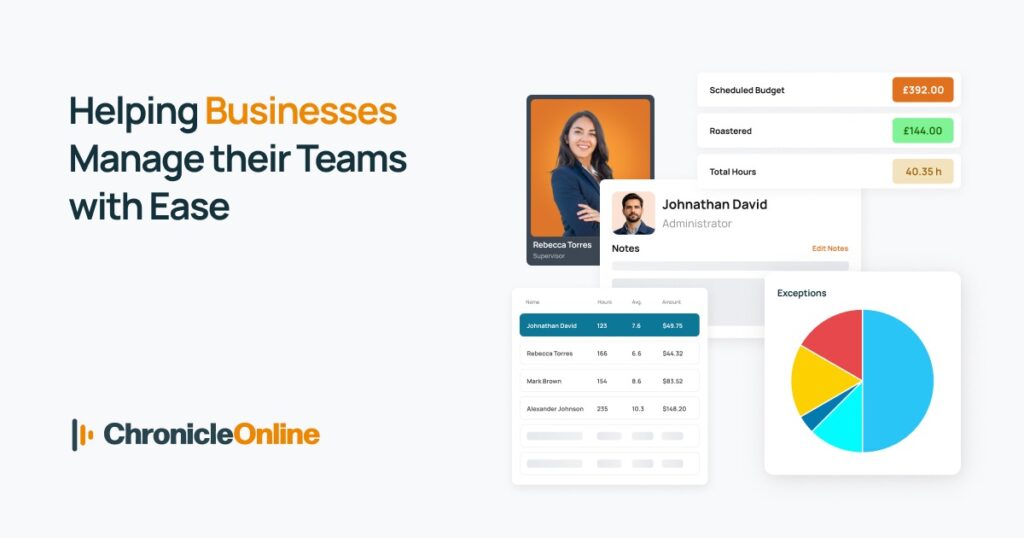
Manually tracking all these changes across spreadsheets and paper files is risky for small businesses with limited HR resources. An integrated hr software solution paired with online payroll software UK can help by:
- Automatically applying updated SSP and leave rules
- Storing holiday pay records securely for the required six-year retention period
- Flagging employees approaching the new six-month unfair dismissal threshold
- Keeping documentation audit-ready in case of a tribunal claim
A good employee software management platform brings all of this together in one dashboard — payroll, leave, attendance, and compliance records – instead of juggling multiple spreadsheets. Pairing it with an employee attendance system also means sickness, leave, and shift data feed directly into payroll, cutting down manual errors during a period when accuracy matters more than ever.
For small businesses without in-house IT resources, cloud based payroll software is particularly useful, since updates for new legal requirements (like day-one SSP or extended record-keeping) are rolled out automatically by the provider — you don’t have to manually reconfigure anything.
Ready to simplify compliance? Book a free demo of Chronicle Online’s HR and payroll software and see it in action.
Frequently Asked Questions
1. What is the Employment Rights Act 2025?
It’s a major piece of UK legislation strengthening worker protections across areas like sick pay, parental leave, unfair dismissal, and zero-hours contracts. It received Royal Assent in December 2025, with changes phased in through 2026 and 2027.
2. When does the Employment Rights Act 2025 fully take effect?
Some rules started in April 2026 and are already in effect. More changes are expected later in 2026, and the major unfair dismissal reforms will take effect on 1 January 2027.
3. Do small businesses need to comply with the same rules as large companies?
Yes, in most cases. Some provisions, like mandatory gender pay gap and menopause action plans, apply only to employers with 250+ staff, but core changes like SSP, parental leave, and unfair dismissal reform apply to businesses of all sizes.
4. What happens if my business doesn’t comply in time?
Non-compliance can lead to employment tribunal claims, and from January 2027, uncapped compensation awards for unfair dismissal. Poor record-keeping can also result in additional penalties.
5. How can I keep track of all these changes?
Using dedicated HR or payroll software helps automate compliance, while checking Acas and GOV.UK periodically ensures you stay updated on confirmed implementation dates.