In today’s fast-paced business world, managing a diverse workforce efficiently is more critical than ever. Workforce management system software is a powerful tool that helps organisations streamline and optimise human resource management. From scheduling shifts to managing payroll, these systems automate numerous tasks, reducing administrative workloads and increasing operational efficiency. In this blog post, we will explore the top six features of a workforce management solution that can drive productivity, compliance, and employee satisfaction.
Whether you’re a small business or a large enterprise, investing in the right workforce management system can transform the way you manage your employees and ensure your operations run smoothly. Let’s dive into the key features that make these systems indispensable for modern businesses.

1. Automated Time and Attendance Tracking
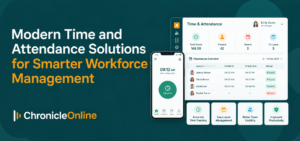
Tracking employee hours manually can be a daunting task, especially in large organisations. It’s time-consuming, prone to errors, and often leads to payroll discrepancies. Thankfully, a modern workforce management solution can automate this process. Employees can easily clock in and out via mobile apps or web interfaces, and the software captures their working hours automatically.
This feature reduces administrative burden, improves payroll accuracy, and ensures that businesses comply with labour laws. Automated attendance also helps track tardiness or absenteeism patterns, which can be valuable for performance reviews and improving workplace efficiency.
2. Intelligent Scheduling and Shift Planning
One of the biggest challenges for managers is ensuring the right employees are scheduled for shifts based on business needs. Workforce management systems make this process significantly easier by leveraging predictive analytics to create optimal schedules. The software analyses historical data, employee preferences, and upcoming demand to generate shifts that meet operational needs while respecting labour laws and individual availability.
This feature can prevent common scheduling issues, such as overstaffing or understaffing, and reduce costly last-minute shift changes. It can also accommodate requests for time off, special holidays, or personal preferences, which boosts employee morale and retention.
3. Real-Time Labour Forecasting
Being able to predict workforce requirements in real-time is essential for any organisation. With the help of workforce management systems, businesses can forecast labour needs by analysing trends, seasonal patterns, and real-time data.
For example, retail businesses can predict high-traffic periods and schedule additional staff accordingly. Similarly, service-based businesses can use real-time forecasting to ensure they have the right number of employees to handle customer inquiries or issues. This ability to forecast ensures businesses are never under- or overstaffed, leading to more efficient operations and cost savings.
4. Comprehensive Compliance Management
Compliance with labour laws and regulations is critical, and non-compliance can result in costly fines and penalties. Workforce management systems offer features that automate compliance-related tasks, ensuring that businesses follow labour laws, including those related to overtime, break periods, and minimum wage requirements.
The software can automatically calculate overtime, track rest periods, and issue alerts if any potential compliance violations are detected. This reduces the risk of legal complications and allows organisations to focus on their core business functions while staying in line with local, regional, and national regulations.
Discover How Workforce Management Software Can Transform Your Operations
Explore our article on Unlock Workforce Efficiency & Operations with WFM Software
5. Employee Self-Service Portals
In today’s work environment, employees expect greater control and transparency over their schedules, pay, and benefits. With an employee self-service portal built into the workforce management system, employees can easily view their schedules, request time off, and access payroll information, all without needing to go through HR or management.
This feature not only empowers employees but also reduces the administrative workload for HR departments. It enhances employee engagement, fosters a sense of trust, and improves overall productivity, as employees can quickly address their own needs without waiting for approval or assistance.
6. Integrated Analytics and Reporting
Data-driven decision-making is key to business success. Workforce management systems provide powerful analytics tools that collect and analyse data related to employee performance, labour costs, and productivity metrics.
By leveraging integrated reporting features, businesses can gain insights into areas like labour efficiency, scheduling effectiveness, and overall employee performance. These reports can highlight trends, identify bottlenecks, and offer actionable recommendations for improvement. With real-time data at their fingertips, managers and executives can make informed decisions that drive long-term success.

Why Choose a Workforce Management Solution?
The decision to implement a workforce management system brings a multitude of benefits to an organisation. Let’s recap some of the most compelling reasons why businesses should invest in such solutions:
- Cost Reduction: By automating time tracking, scheduling, and payroll processes, businesses can save time and money. The software eliminates human errors and reduces the need for manual intervention, ultimately lowering operational costs.
- Enhanced Productivity: Automation of routine tasks allows employees to focus on their core responsibilities, improving productivity across the organisation. Managers can also optimise schedules to ensure staff are fully utilised during peak times.
- Improved Compliance: Automated compliance tools ensure that your business stays in line with labour laws, reducing the risk of costly penalties.
- Better Employee Satisfaction: Self-service portals and transparent scheduling enhance employee morale by giving them more control over their work-life balance. When employees feel valued and empowered, it leads to greater retention rates and a happier workforce.
Conclusion
In an increasingly competitive business landscape, having a workforce management system is no longer optional; it’s essential. By utilising features like automated time tracking, intelligent scheduling, labour forecasting, and comprehensive compliance management, businesses can streamline their operations, reduce costs, and improve overall employee satisfaction.
FAQs
Workforce management solutions help businesses comply with labour laws by automating processes related to overtime, break times, and minimum wage requirements. The system can alert managers if any violations are about to occur, reducing the risk of costly penalties and ensuring that the company remains in compliance with local, regional, and national regulations.
Yes, one of the main benefits of workforce management system software is its intelligent scheduling feature. It leverages predictive analytics to create optimal shift schedules, ensuring that staffing levels align with business needs. This reduces the likelihood of overstaffing or understaffing and ensures that employees’ time-off requests are properly managed.
By automating time tracking, scheduling, and payroll processes, workforce management systems reduce the administrative burden and minimise errors. Accurate tracking of hours worked ensures employees are paid correctly, and optimised scheduling helps prevent overstaffing, both of which contribute to significant cost savings. Additionally, real-time labour forecasting helps ensure that businesses don’t overspend on unnecessary labour.
Employee self-service portals empower employees to manage their schedules, request time off, and access their payroll information without needing HR intervention. This not only increases employee satisfaction but also reduces the workload on HR departments, allowing them to focus on more strategic tasks. These portals help create a transparent and efficient work environment.
Yes, workforce management systems are suitable for businesses of all sizes. While large enterprises benefit from the scalability and extensive features, small businesses can also gain from automated time tracking, scheduling, and payroll features that help them streamline operations and save time. Many software solutions offer tiered pricing and features tailored to the needs of small businesses.